Emergency Aid, Income Generation, Training, Education
Country / Project Location:
Mauritania: Mbera Camp – Sahel Refugees
Myanmar: Hripi
Burundi: Buganda
Duration:
2024 – 2025
Target Group:
Vulnerable communities, families, children, women farmers
Direct Beneficiaries:
more than 4.500
SDGs:
No Poverty (SDG 1)
Zero Hunger (SDG 2)
Good health and well-being (SDG 3)
Quality Education (SDG 4)
Gender equality (SDG 5)
Clean water and sanitation (SDG 6)
Decent work and economic growth (SDG 8)
Reduced inequalities (SDG 10)
Peace, justice, and strong institutions (SDG 16)
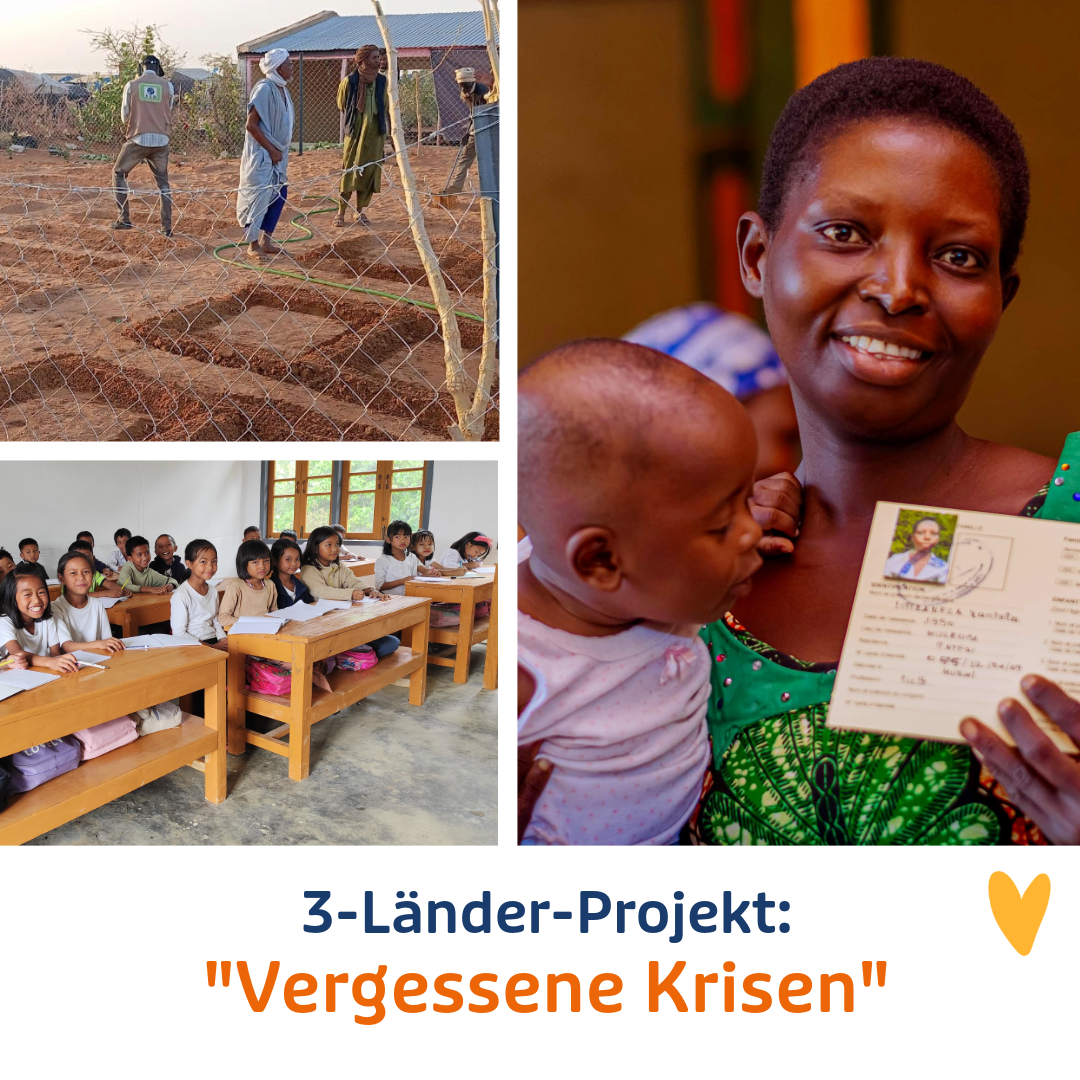
The project supports 3 countries:
1. Mauritania
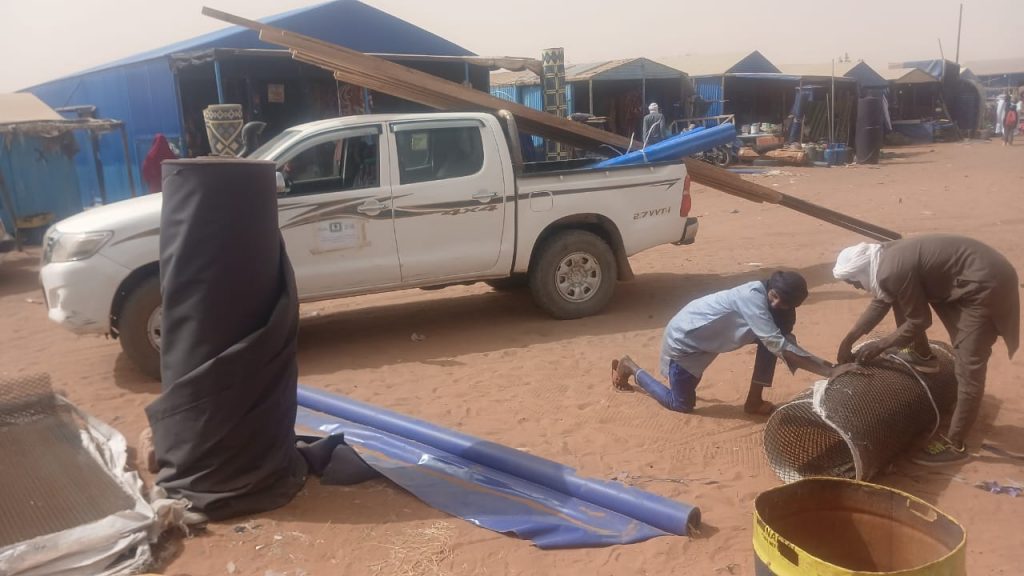
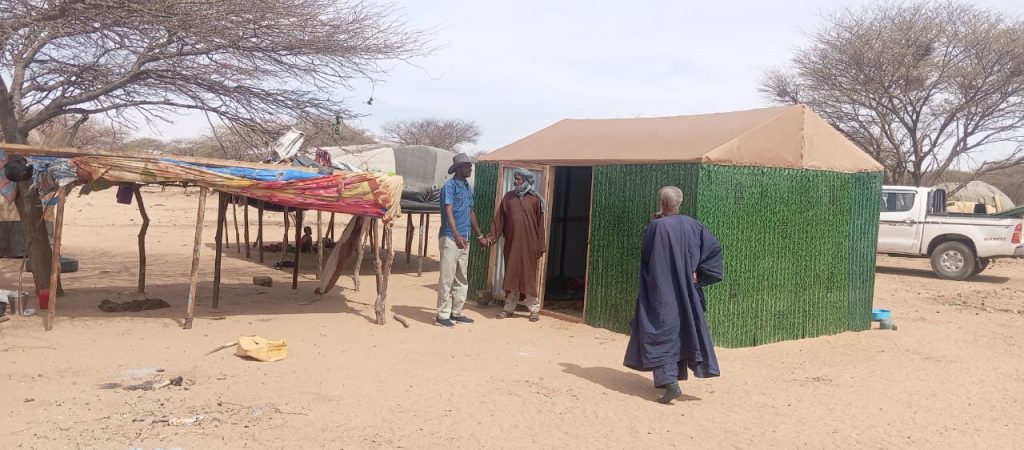
The project “Measures to Support the Resilience of Sahel Refugees in Mauritania” includes support measures for refugees in the Mbera camp who have fled the Sahel – mostly from Mali – to escape war, terrorism, or famine. Young children, who have been in the camps for several weeks, are suffering tremendously, and there is a high risk of malnutrition.
Improving living conditions through weatherproof shelters
Improving access to drinking water and strengthening WASH
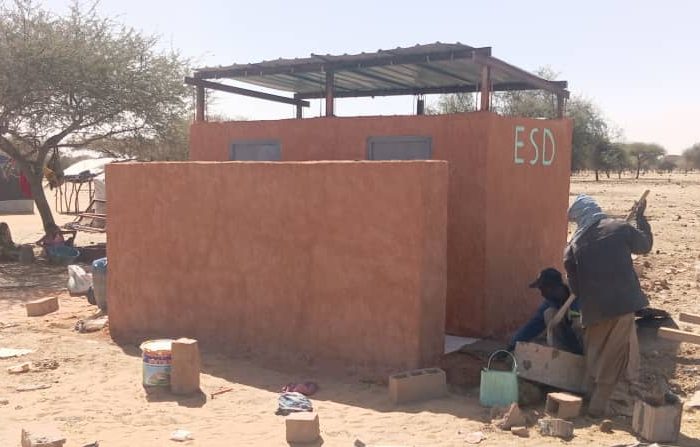
Constructing new latrines
Repairing water supply systems
Supporting a school cafeteria and income-generating activities for women
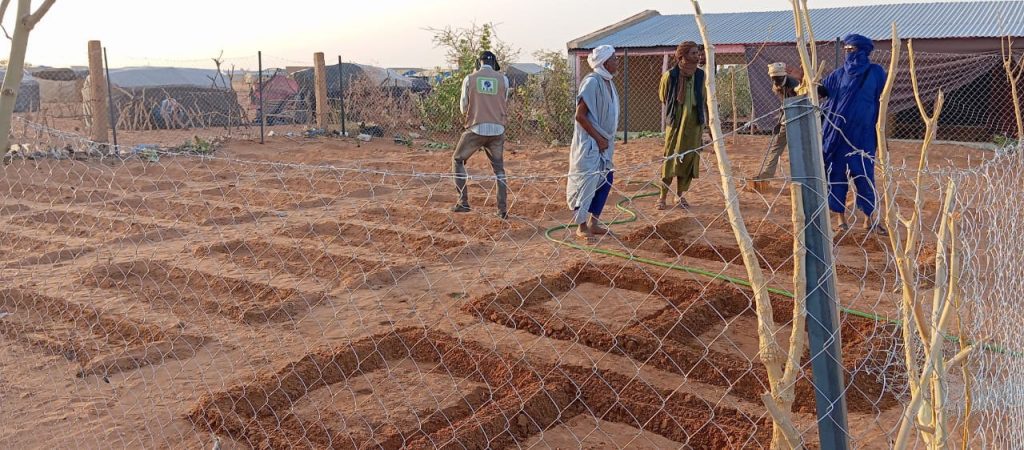
Cultivating vegetables
These measures directly improved hygiene, health, and dignity for the beneficiaries.
In addition, sustainable economic empowerment programs for women were implemented, with 128 women trained and equipped for income-generating activities:
Formation of 8 active women’s groups
Launch of poultry farming and horticultural activities
The combination of improved housing, water, nutrition, and income generation demonstrates that integrated approaches can have a more sustainable impact even in fragile contexts.
Jard Scolaire no1 (7)
2. Myanmar:
„High-Quality Education and Healthcare for the Children of Hriphi“
In the mountain village of Hriphi, there were no schools and healthcare was not available.
The villagers themselves used tarps and makeshift materials to create a small space for their children’s education, which, of course, did not allow for safe, regular, or high-quality instruction depending on the weather.
The following measures were implemented here:
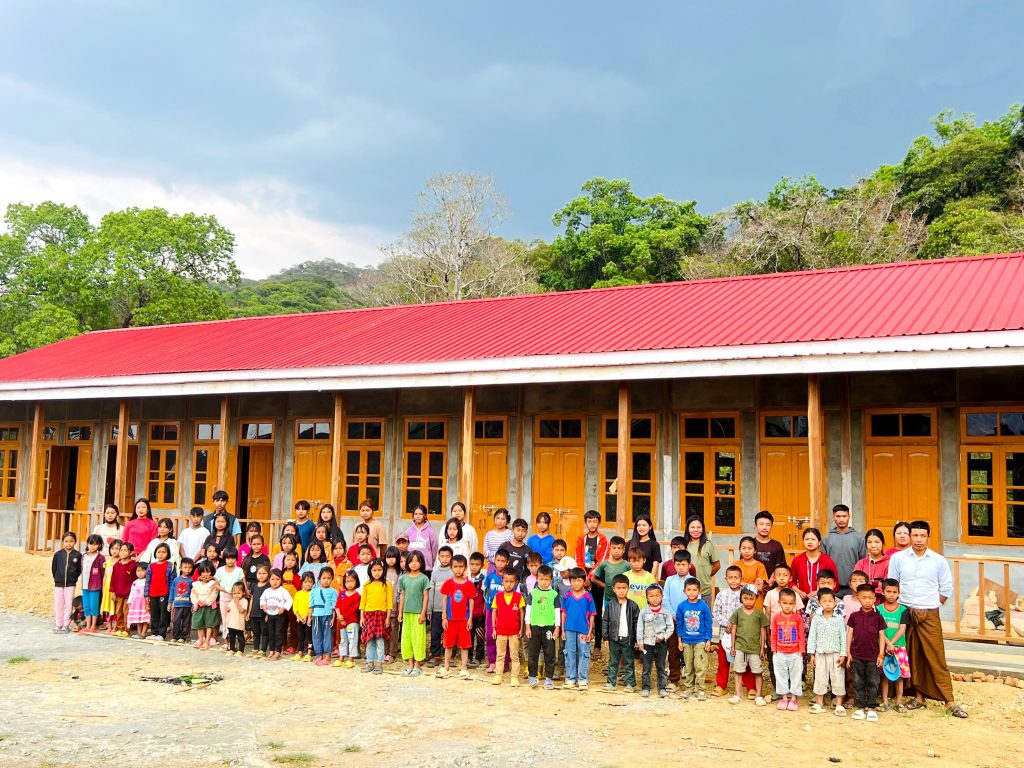
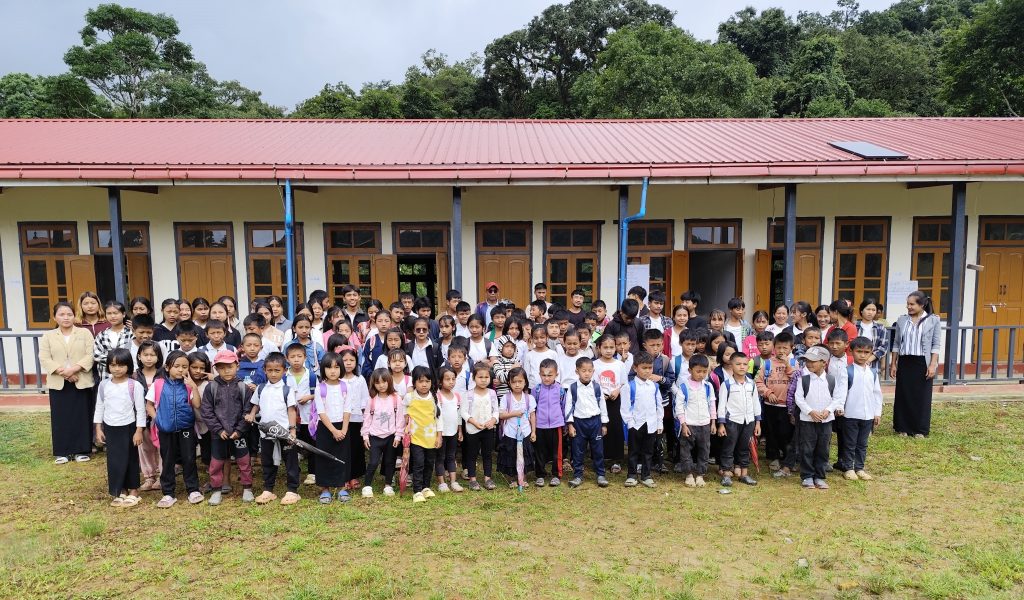
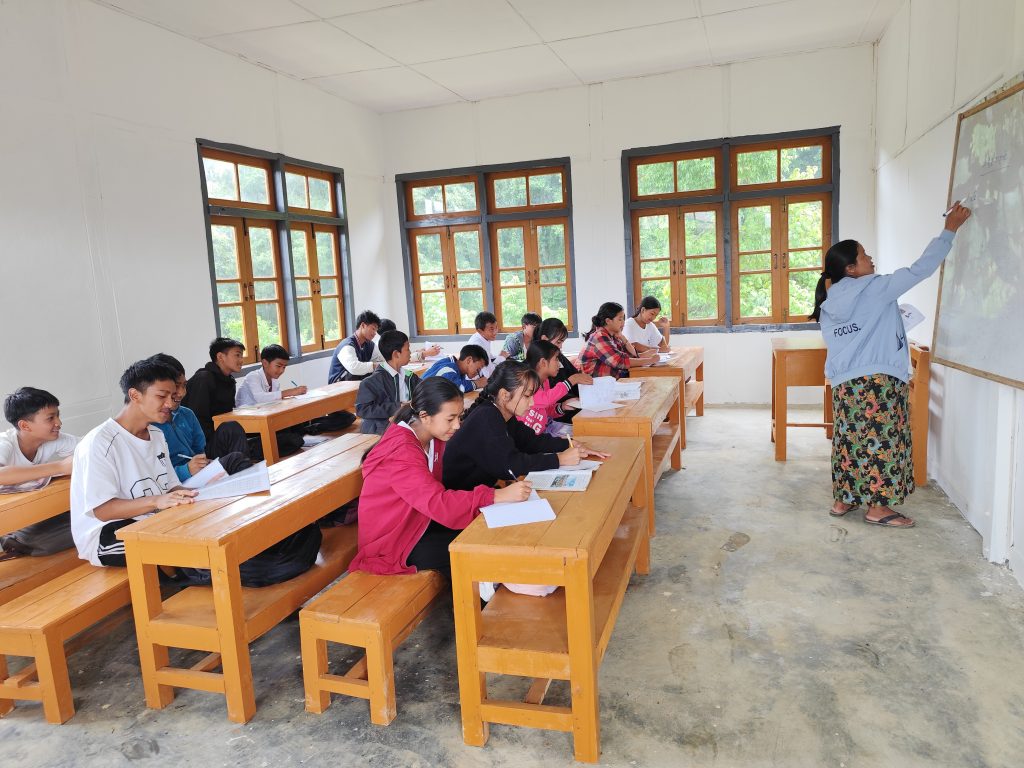
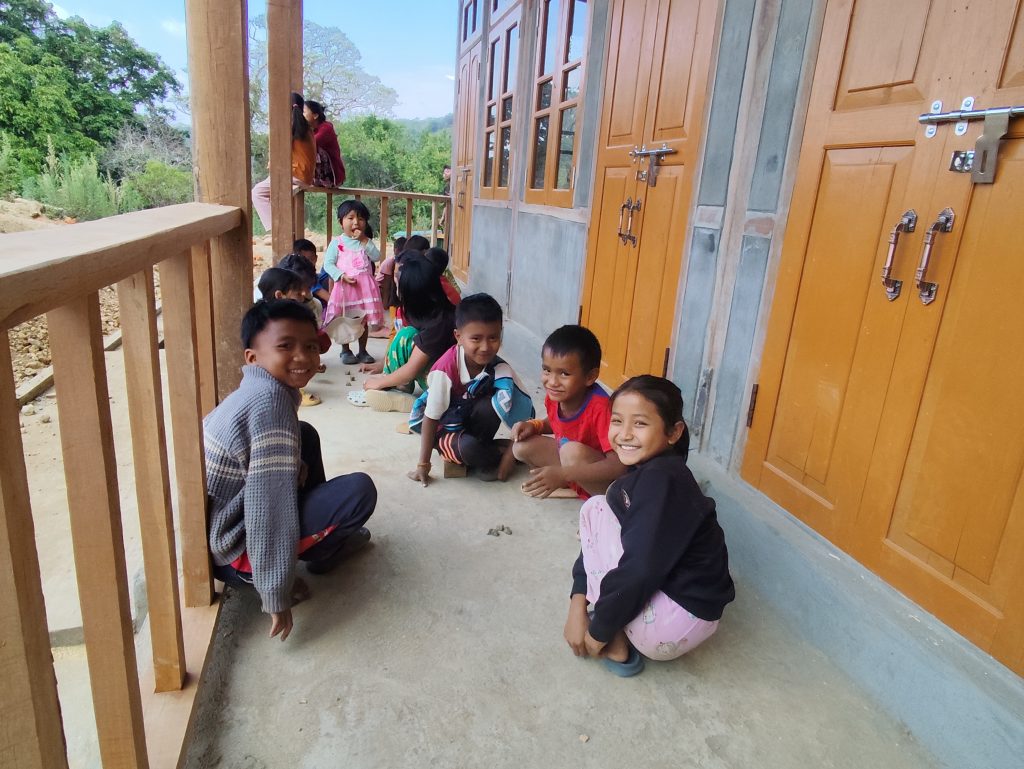
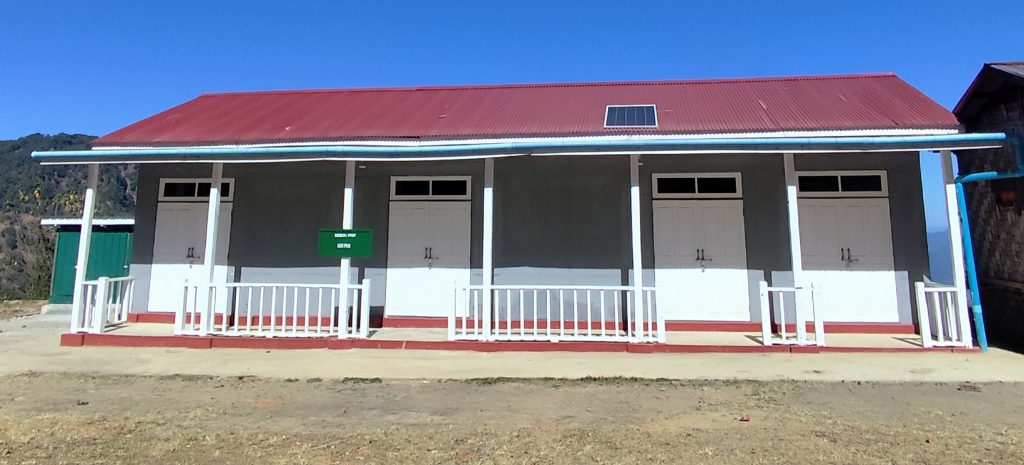
Construction of a school building with 6 classrooms
Training of 5 qualified teachers
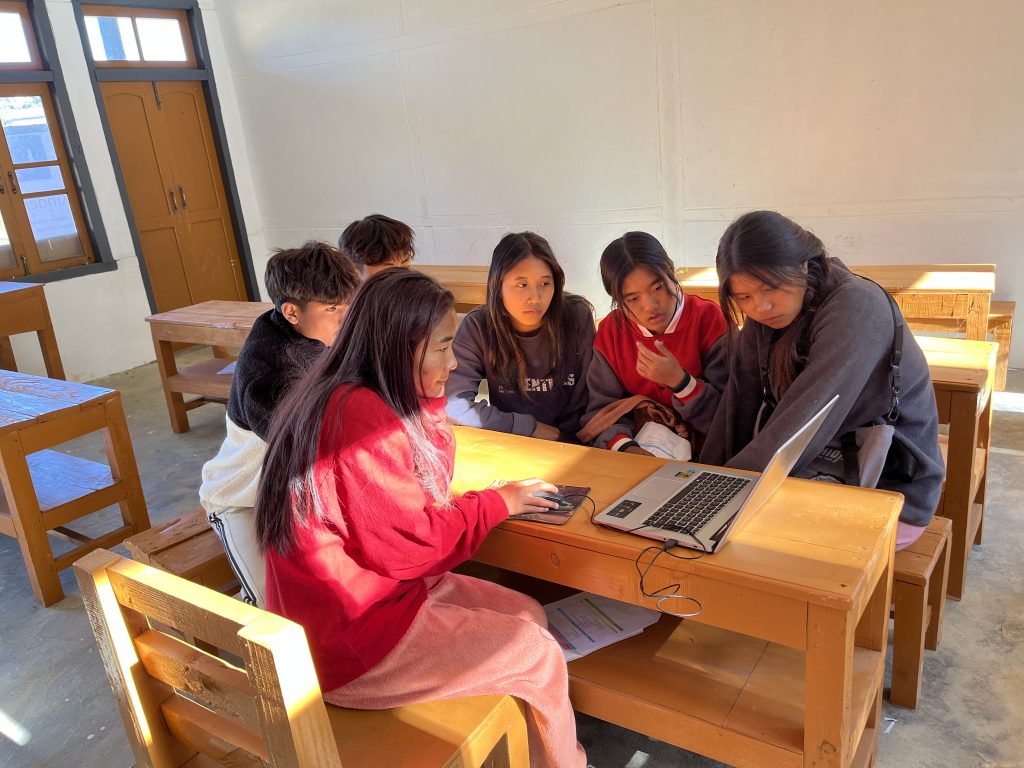
Provision of school supplies, laptops, a solar power system, and equipment
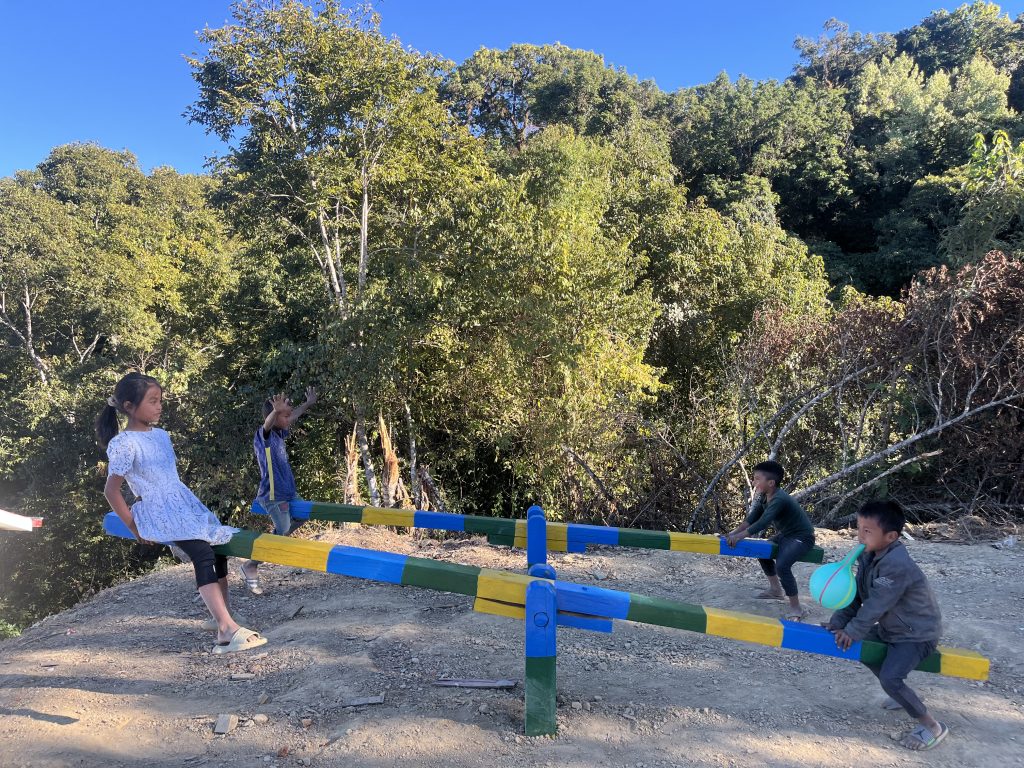
Construction of a sports field
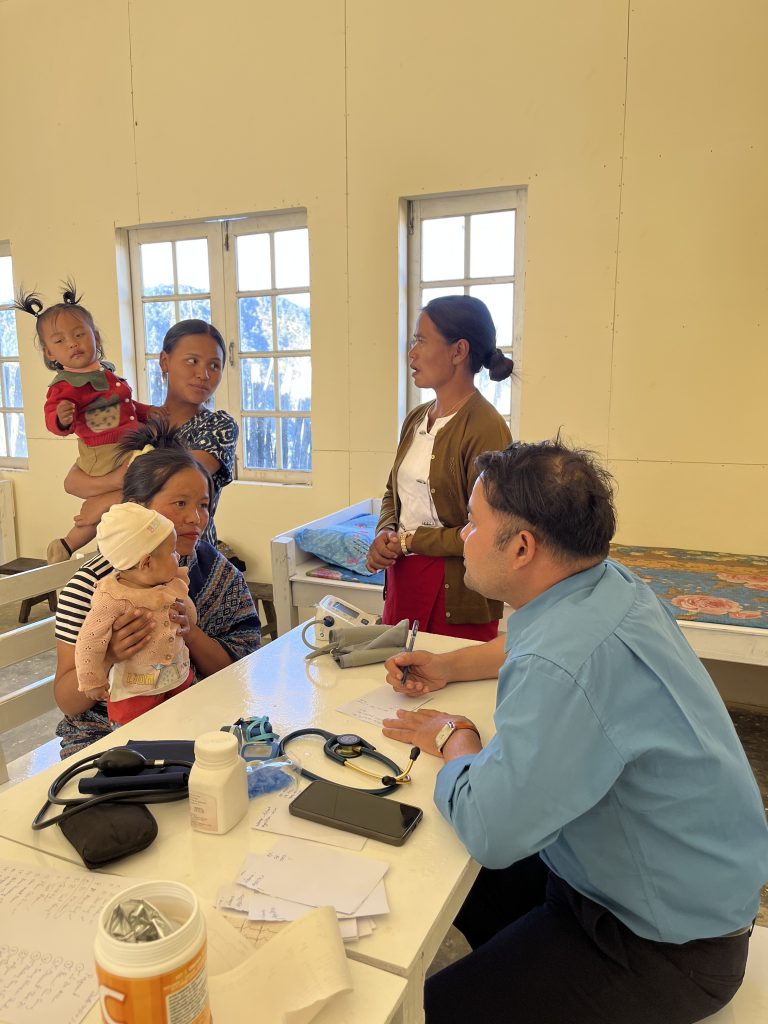
Construction and equipping of a health clinic
Hiring and training a qualified nurse
Ensuring adequate healthcare and training
Over 100 children currently attend the school (more than 50% girls).
The project in Hriphi has established a sustainable educational structure and medical infrastructure and has effectively contributed to the long-term development of the village.
IMG 20250815 134430
IMG 20260103 133908
3. Burundi:
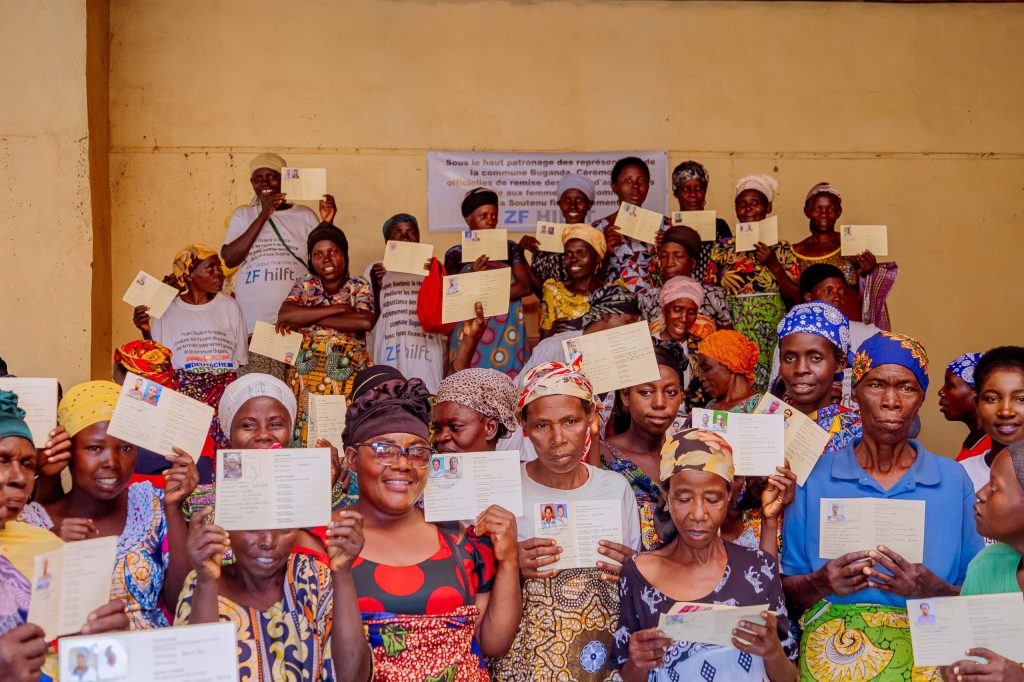
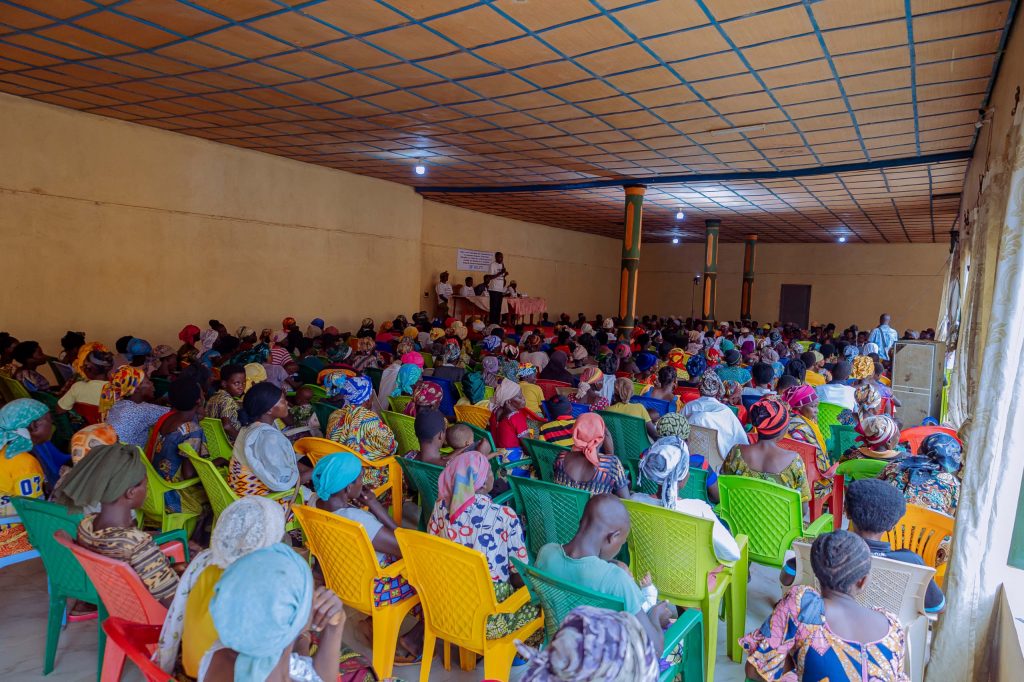
The project “Supporting Resilience: Improving the Livelihoods of Extremely Poor Women in the Buganda Community, Cibitoke Province” began in June 2024. Since then, approximately 600 women have started their own businesses – in various sectors such as food processing, animal husbandry, and tailoring – and now have a stable income and health cards for medical care.
Participatory selection of beneficiaries among women in extreme need
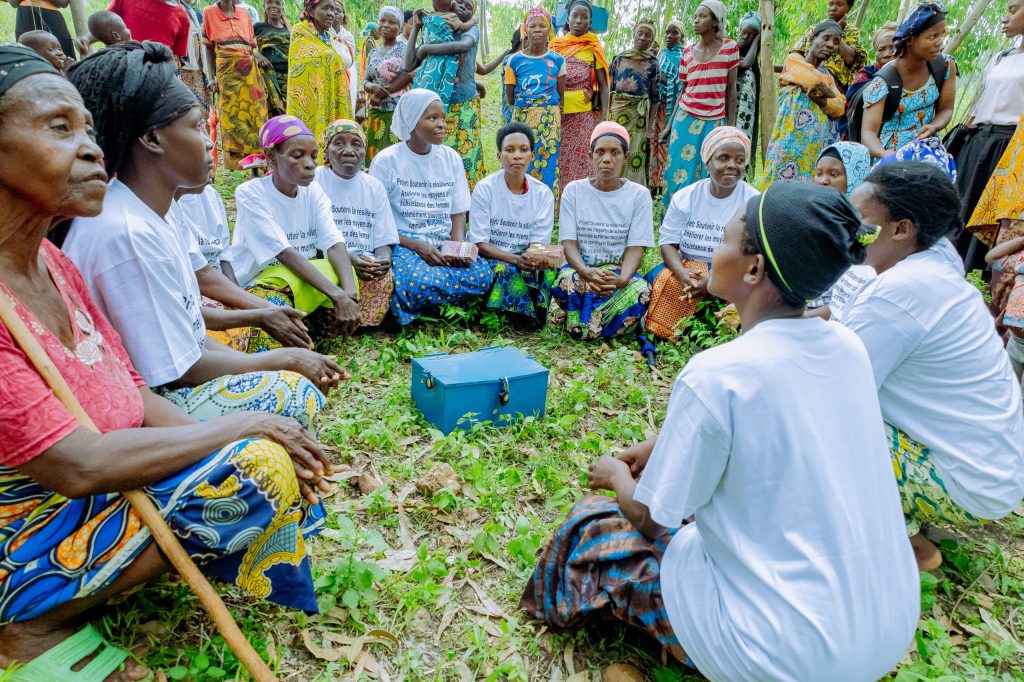
Training in social cohesion, community life, saving, and financial management
Training and certification for savings and credit groups
Establishment of 25 savings groups
Microcredits
Provision of materials
Social & health support (Health cards)
Strengthening social cohesion
Result:
Income generation and improved resilience among extremely poor women.
The growing improvement in income and general living conditions led to a very positive effect: the beneficiaries became more engaged, more self-confident, and began to share their skills with other women, which further promotes the sustainability of what has been achieved.
11 IMG 20250211 WA0442
13 IMG 20250211 WA0395 1
The YOU Foundation – Education for Children in Need, an initiative of UNESCO Special Envoy Dr. h.c. Ute-Henriette Ohoven, is committed to education for the poorest of the poor worldwide.