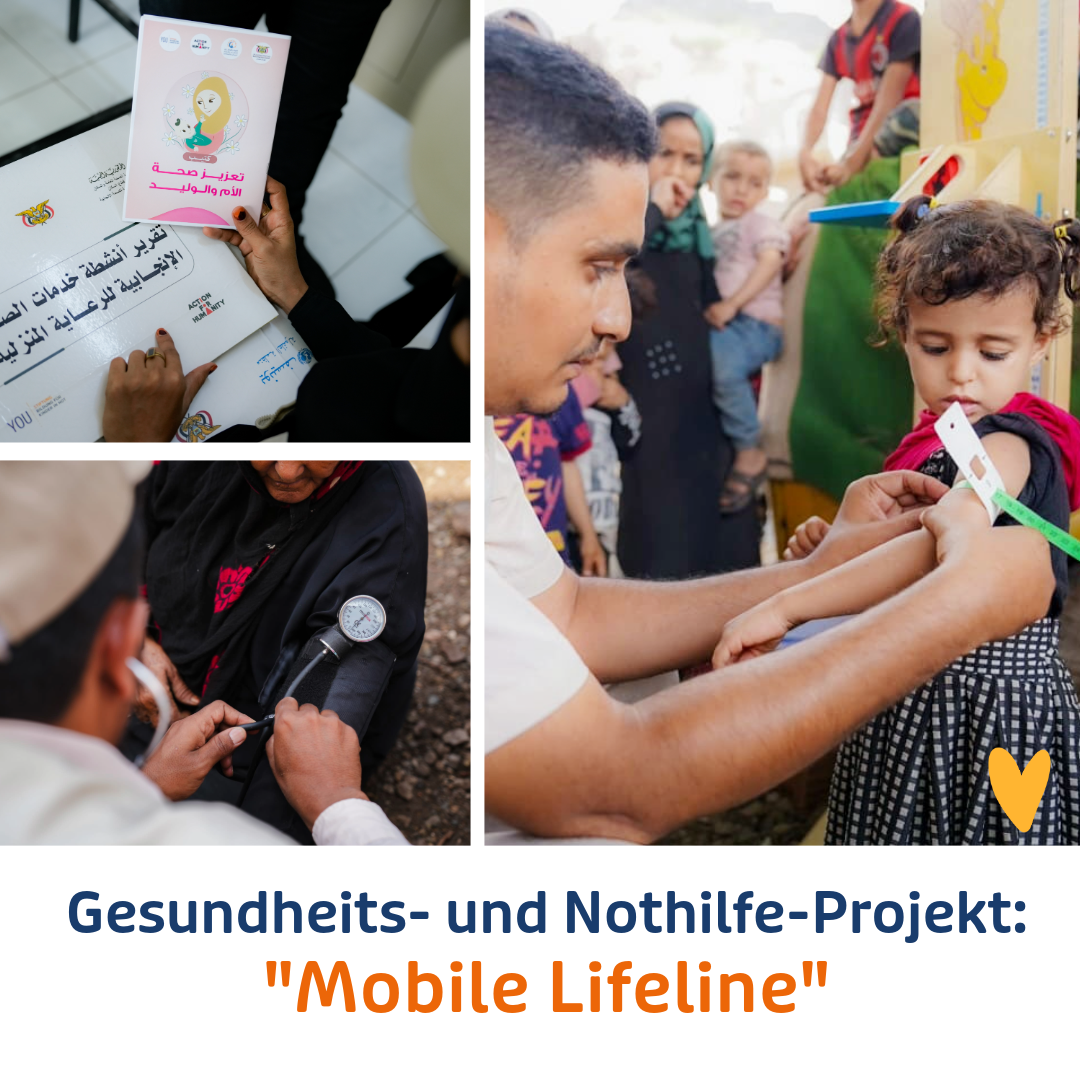
Mobile, life-saving medical care for children and women affected by conflict and flooding in ad-Dāli Governorate, southern Yemen.
(ad-Dāli Governorate, southern Yemen)
The situation for children and women in Yemen is widely regarded as one of the world’s worst and most forgotten humanitarian crises. In Yemen, over 21.6 million people, including 11 million children, are in urgent need of assistance. Conflict, destroyed infrastructure, and flooding make it difficult to provide health care.
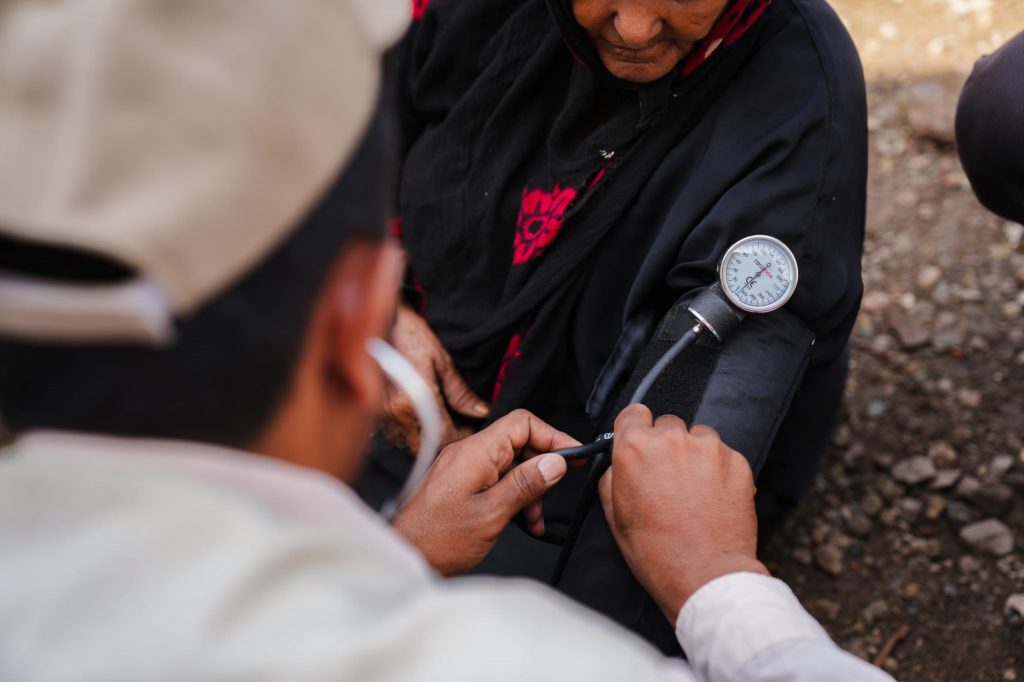
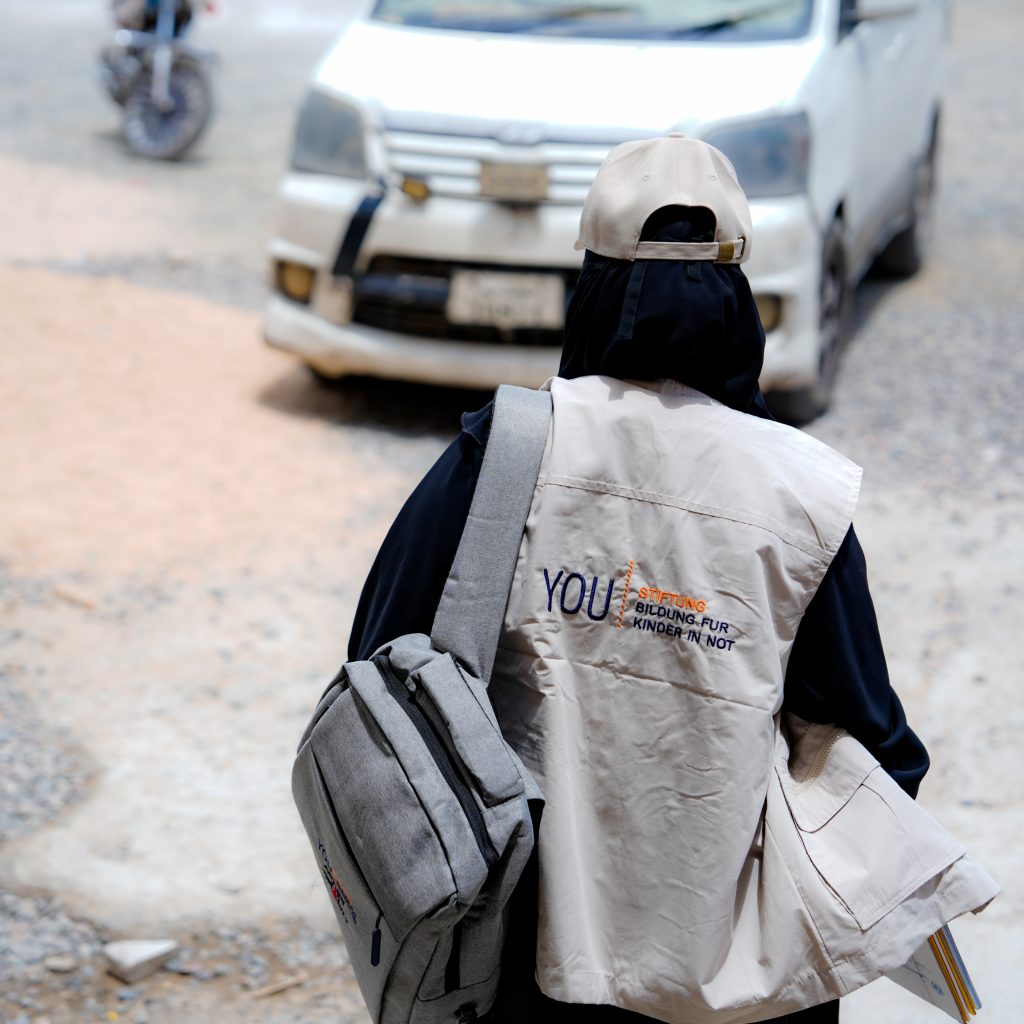
The “Mobile Lifeline” project uses a mobile clinic to provide basic health care for vulnerable children and women – up to 6,000 people – in the remote village of ad-Dāli. The clinic offers primary care, maternal and child health services, treatment for a wide range of illnesses, nutrition programs, vaccinations, and health education – all provided by a medical team following WHO standards to reach isolated communities and save lives.
During the project’s initial phase, the focus is on careful preparations for implementation. Through close coordination with government agencies and health partners, gaps in care were identified, infrastructure was established, and the conditions were created for a rapid launch of mobile health services to deliver life-saving health and nutrition services to isolated communities while simultaneously strengthening local infrastructure.
Project Objective
Improving access to health care for vulnerable children and women
Ensuring life-saving basic health care
Providing care for remote, underserved communities
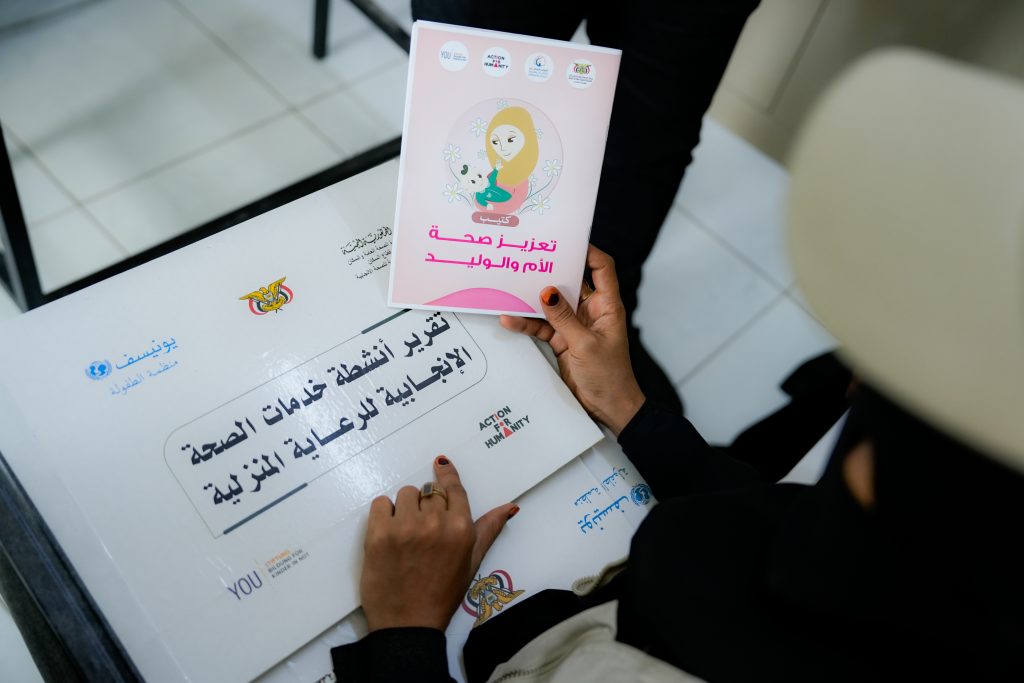
Supporting pregnant and breastfeeding women
Identifying and treatment of acute malnutrition
Expanding vaccination and prevention services
Strengthening community-based health structures
Establishing effective referral systems
Sustainable integrating into existing health programs
Activities
Coordination with health authorities and the Health Cluster
Coordination with RH coordinators and local partners
Mapping existing health services
Identification of underserved target areas
Selection of nine qualified community midwives
Assessment of operational readiness and preparation of equipment
Planning outreach and awareness-raising activities
Establishing referral and communication structures
Planned Activities:
Deployment of a mobile clinic
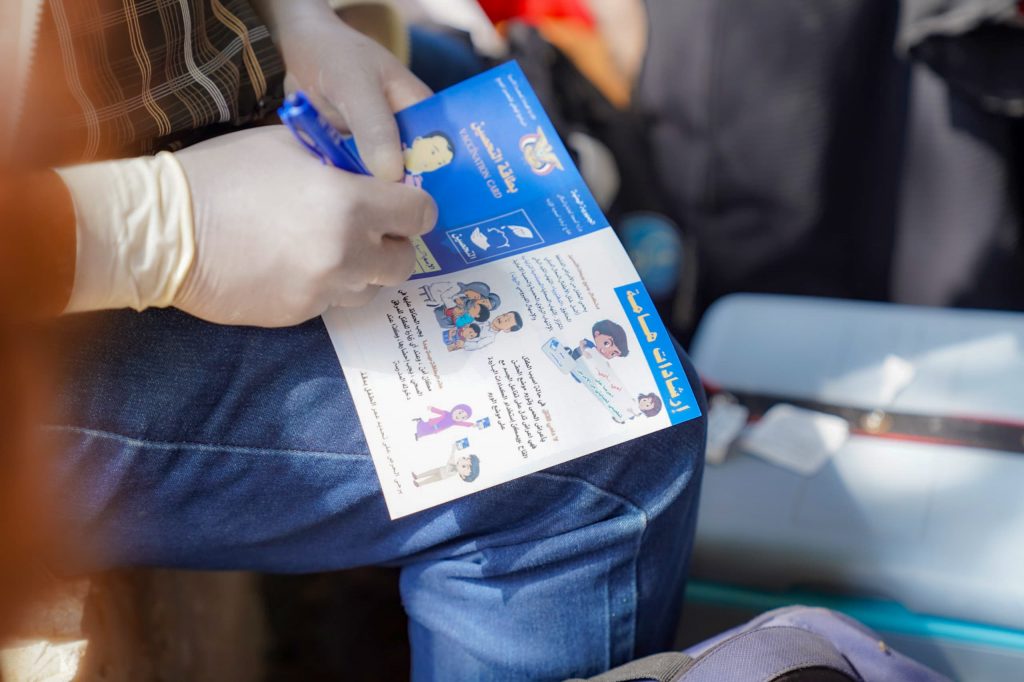
Conducting vaccination campaigns
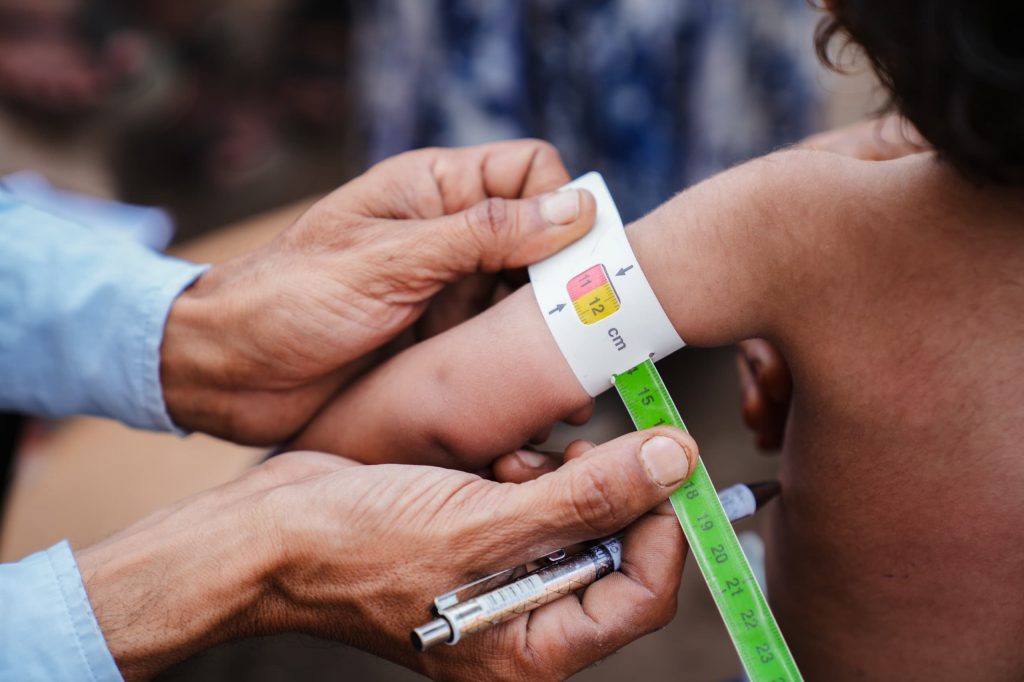
Offering nutritional screenings and therapy
Providing health education in communities
Referral of severe cases
Training local health workers
Results Achieved So Far
Project successfully prepared and ready for implementation
All official approvals and coordination completed
Gaps in healthcare coverage systematically identified
Integration into the existing AFH health program achieved
Nine experienced midwives and one supervisor selected
Functioning referral pathways are being established
Conditions for launching mobile health services have been established; field activities began in June
We thank you from the bottom of our hearts!
proWIN Foundation
and the many
individual donors at Christmas 2025
The YOU Foundation – Education for Children in Need, an initiative of UNESCO Special Envoy Dr. h.c. Ute-Henriette Ohoven, is committed to education for the poorest of the poor worldwide.